The Reality Behind a Donation
What my marketing internship taught me about the story behind every fundraising campaign.
For a long time, I thought I understood how online fundraising worked. An animal needed help. A fundraising campaign was created. People donated. The animal received the care it needed. It seemed simple.
Then I started my marketing internship at Toucan Rescue Ranch, and a few months later, I can confidently say I had only seen the surface. Because behind every campaign is an entire team working together long before anyone sees a photo online. What supporters see online is only a small part of a much bigger story, one that involves veterinarians, caregivers, marketers, and donors all working toward the same goal: giving wildlife a second chance.
It all starts long before marketing
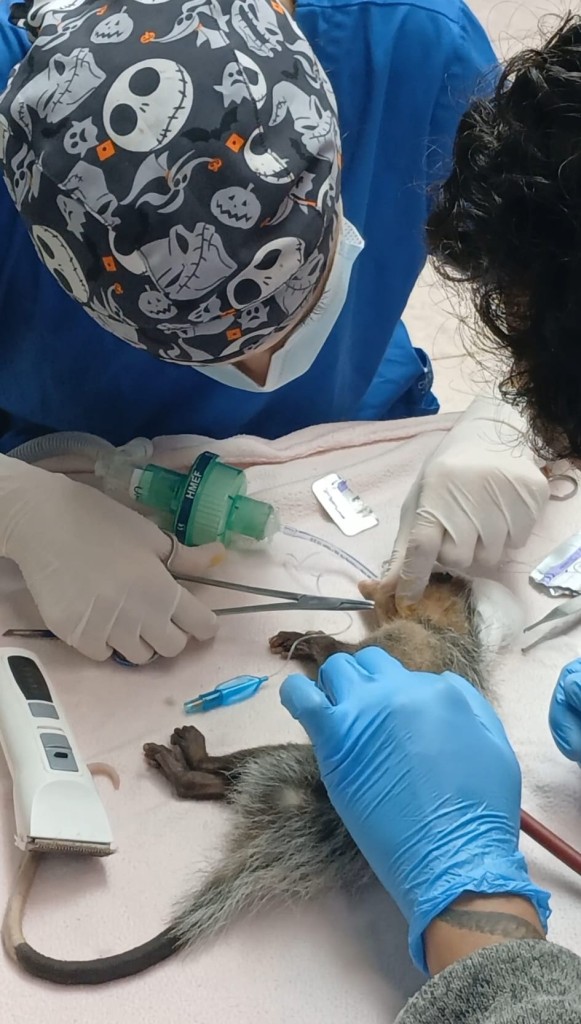
One of the biggest surprises during my internship was discovering that fundraising campaigns don’t begin with marketing. They begin in the veterinary clinic. When an injured animal arrives at Toucan Rescue Ranch, nobody is thinking about writing captions or choosing photos. Every single second is dedicated to saving a life. Veterinarians examine the animal, identify injuries, perform diagnostic tests, stabilize the patient, and determine what treatment will be necessary over the coming days, weeks, or even months. It is only once the animal is stable that marketing enters.
Before writing a single sentence, we need to understand exactly what happened. We meet with the veterinary team, ask questions, discuss diagnoses, learn about treatment plans, and make sure every detail we share is medically accurate.
One thing I quickly learned is that fundraising is never the work of one department. A successful campaign is built through collaboration. Indeed, without the veterinary team, there would be no story to tell. Without the caregivers, there would be no daily progress to share. Without the marketing team, those stories might never reach the people willing to help.
Telling the truth without telling everything
At first, I thought that the hardest part would be writing. In reality, the hardest part is finding the balance between sharing the urgency of a rescue and telling the story with honesty and hope, between transparency and responsibility.
Every word, every picture matters because behind every campaign is a real animal depending on us to tell its story well. When a rescued animal arrives at Toucan Rescue Ranch, there are often details that are difficult to read. Some have been hit by cars, others have suffered from dog attacks, electrocution, or even habitat loss. Those realities are part of wildlife conservation, and hiding them entirely would not tell the full story.
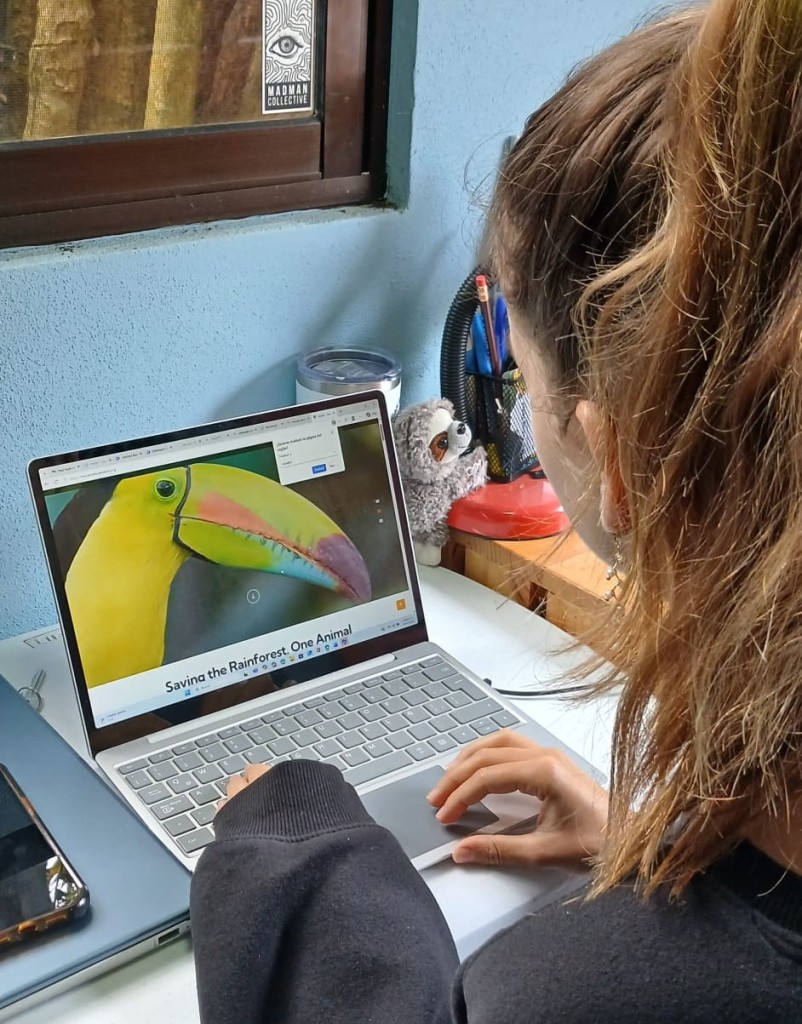
One of the lessons I will take away from this internship is learning how to communicate difficult situations with honesty while remaining respectful to both the animal and the audience. The goal is not to shock people into donating but to help them understand why this animal needs help, what the veterinary team is doing, and how their support can truly make a difference.
Publishing is not the finish line
This was probably my biggest misconception. I thought that when a campaign was published, the work was almost done. Instead, I discovered that it was only the beginning.
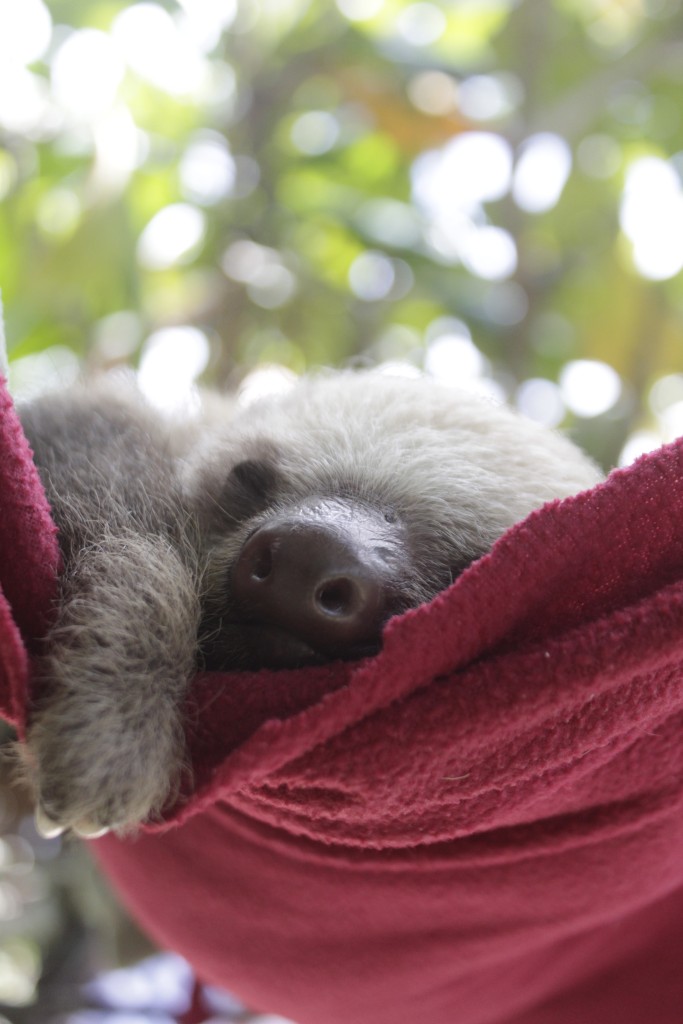
Recovery takes time. Some animals remain at the ranch for weeks, others stay for months, and during that time the veterinary team continues monitoring their progress. As new medical updates become available, the marketing team uses them to continue telling the animal’s story and keep the audience engaged throughout its journey.
I realized that a campaign is not a single moment of communication, but an ongoing process that grows with the animal’s recovery and allows supporters to see the real impact of their contribution.
The Importance of Celebrating Every Small Victory
One thing I had not expected was how important good news becomes. In fact, when you have shared an animal’s difficult beginning, every milestone feels worth celebrating. For example, a fracture starts healing, an animal begins eating independently again, a wound finally closes, or even an animal gains enough weight. I learned that those updates are about much more than keeping a campaign active. They allow donors to follow the animal’s journey and see the direct impact of their generosity, and strengthen the connection between the people caring for the animal and the people who chose to support it.
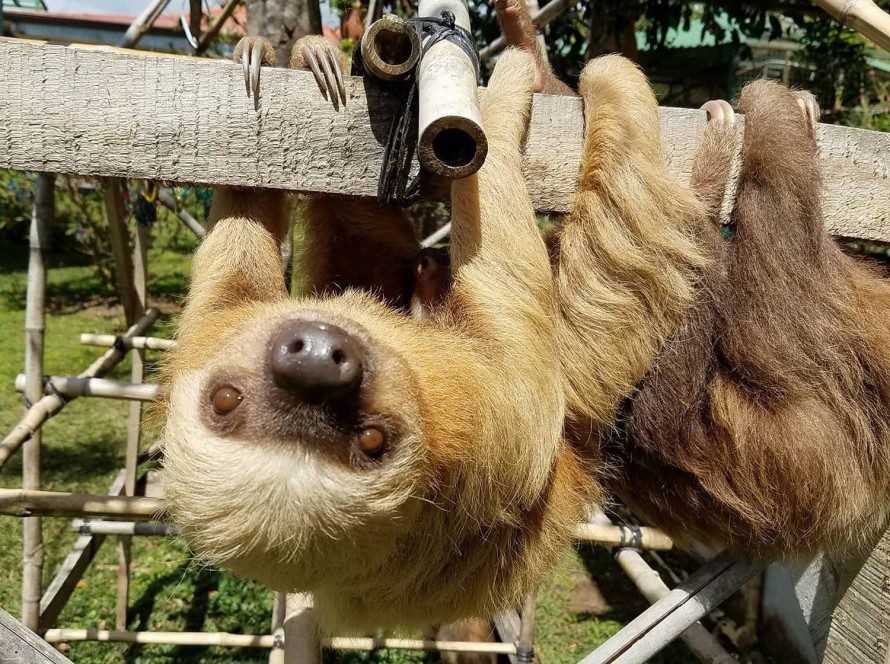
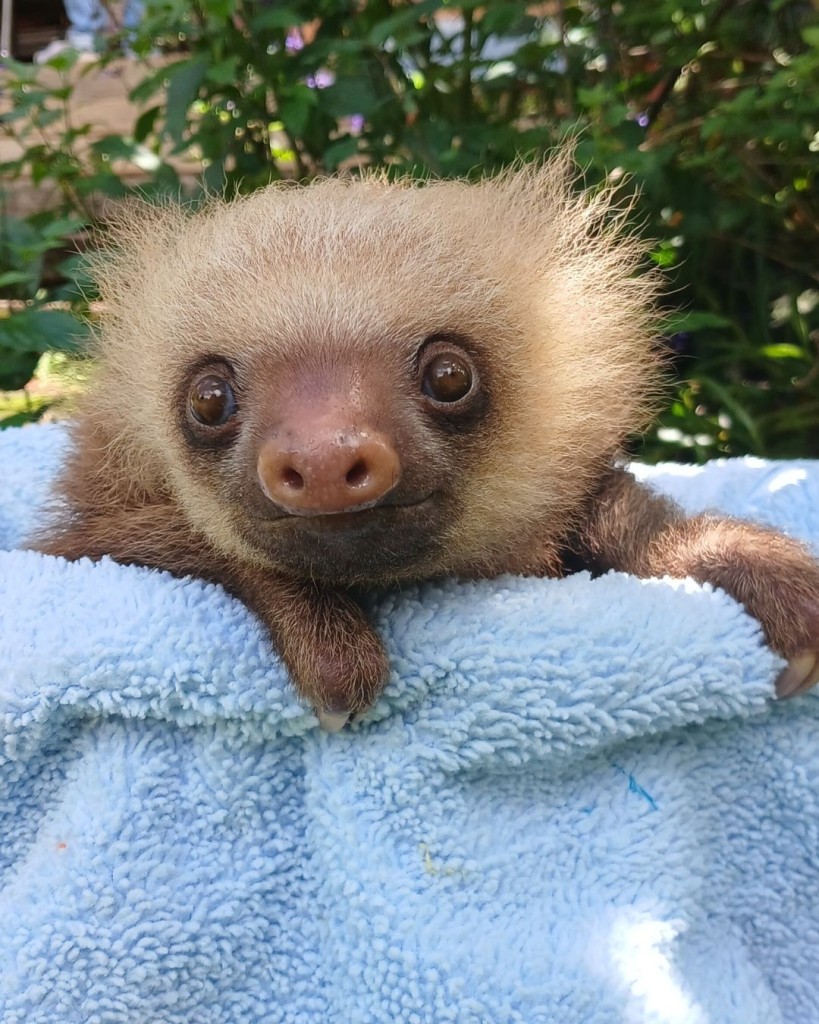
One of the animals whose story stayed with me was Nanuq, an orphaned two-toed sloth. Following Nanuq’s progress was not about announcing dramatic changes every day. Sometimes the biggest victories were the smallest ones: gaining weight, becoming more independent, eating properly, reaching a new developmental milestone, or simply continuing to grow stronger. Other times, the news is not as positive. Healing is not always linear, and supporters deserve to understand that too. Keeping people informed is not about keeping a campaign alive. It’s about showing donors that their generosity has become something real. When someone chooses to help, they deserve to see where that journey leads.
A Donation Stops Feeling Abstract
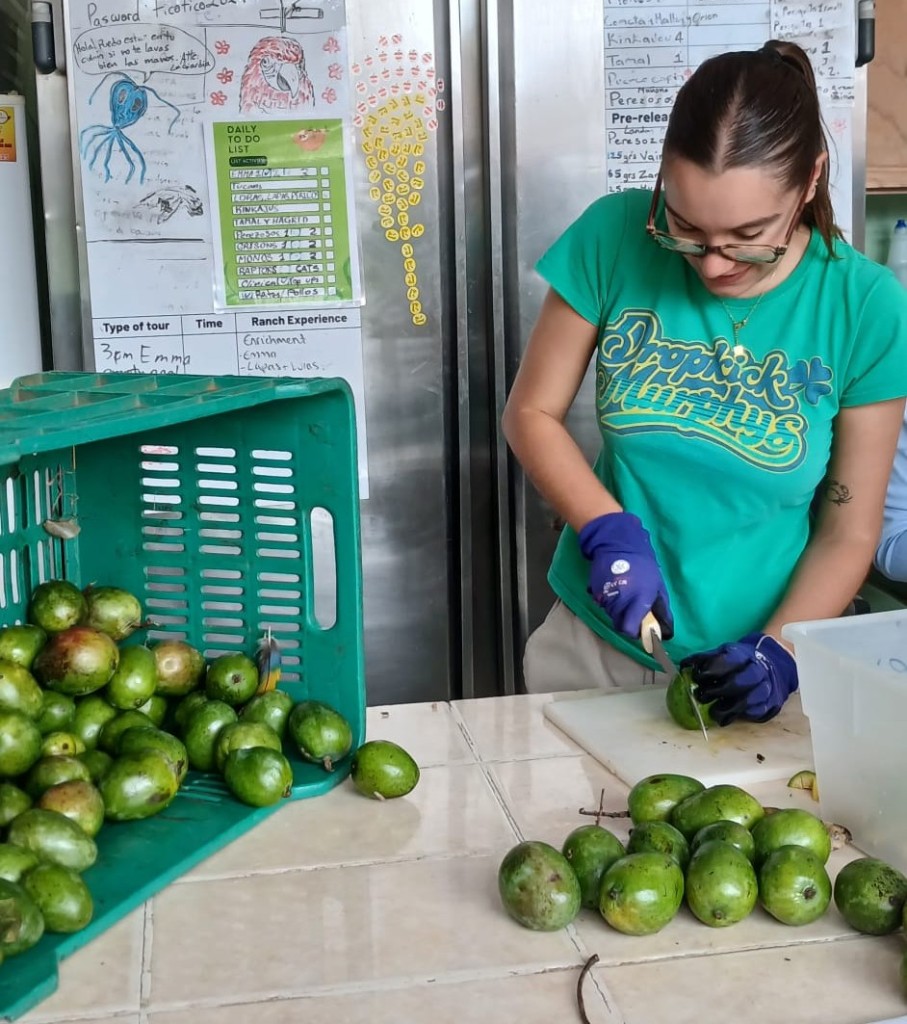
Before this internship, for me, a donation was just a number on a screen; it felt abstract.
In reality, it meant fresh fruit being prepared each morning, medications and diagnostic tests, enrichment items, specialized diets, veterinary equipment, and all the small things that quietly support an animal’s recovery single day. Thus, I’ve learned that donations don’t disappear into a campaign but become food, medicine, rehabilitation, and many more things that can make the difference between life and death for an injured animal
The story doesn't end with "donate now"
If there is one thing I will take away from my internship, it is that fundraising is not about asking people for money. It is about building trust with people who want to make a difference no matter how far they live from the Toucan Rescue Ranch.
Now, whenever I see the words “Donate Now,” I no longer think about a button but I think about the veterinarian carefull examining a new patient, I think about the volunteers preparing the next meal, I think of the environmental educational team who helps people understand that everyone has a role to play in protecting wildlife, I think about the marketing team waiting for the latest update before sharing another chapter on the campaign and I think about the donors who make every step of that journey possible.
Constance Pascal
Former Marketing Intern